.png)
What Kind of Ancestor Will You Be in Building Inclusive Communities

When I ask myself what kind of ancestor I want to be, I don’t think about changing the entire world overnight. Instead, I imagine the ancestor who started the book club, the one who always made room for one more person at the table, the one who told stories that made others feel less alone. This question is not just for queer people or activists. It is for every founder shaping an organisation, every HR leader nurturing culture, and every community builder deciding if inclusion is a real value or just words on paper.
Every choice we make today shapes the legacy we leave behind. So, why do we keep having the same conversations about inclusion and belonging every June? It’s not because nothing is changing. Some things are shifting. More organisations listen. More spaces open. More stories get told. Yet, women still struggle to find therapists who understand them without needing to educate them first. Women still carry the burden of representing entire communities in every room they enter. Women still live in places where even talking about these issues is dangerous.
Communities grow in quiet moments when no one is watching.
They survive because people keep showing up after the spotlight fades. The question is not why these conversations repeat. It’s why so many still need to hear them. Maybe it’s because someone is hearing them for the first time. And someone else decided they were worth sharing.
The Small Acts That Build Lasting Communities
I remember when I first started a small gathering of women who loved women. It wasn’t a grand event or a big announcement. It was a simple invitation to share stories, to listen, and to connect. It became a space where people felt seen and heard. It was not about changing the world in one moment but about creating a foundation for those who would come after.
Building inclusive communities often starts with small acts like these:
Making space for one more person
Whether it’s a meeting, a dinner, or a conversation, inviting someone new can change their entire experience.
Listening without judgment
Sometimes, people just need to be heard. Listening creates trust and belonging.
Sharing stories that matter
Stories help us understand each other. They remind us that no one is truly alone.
These acts may seem small, but they create ripples that extend far beyond the moment.
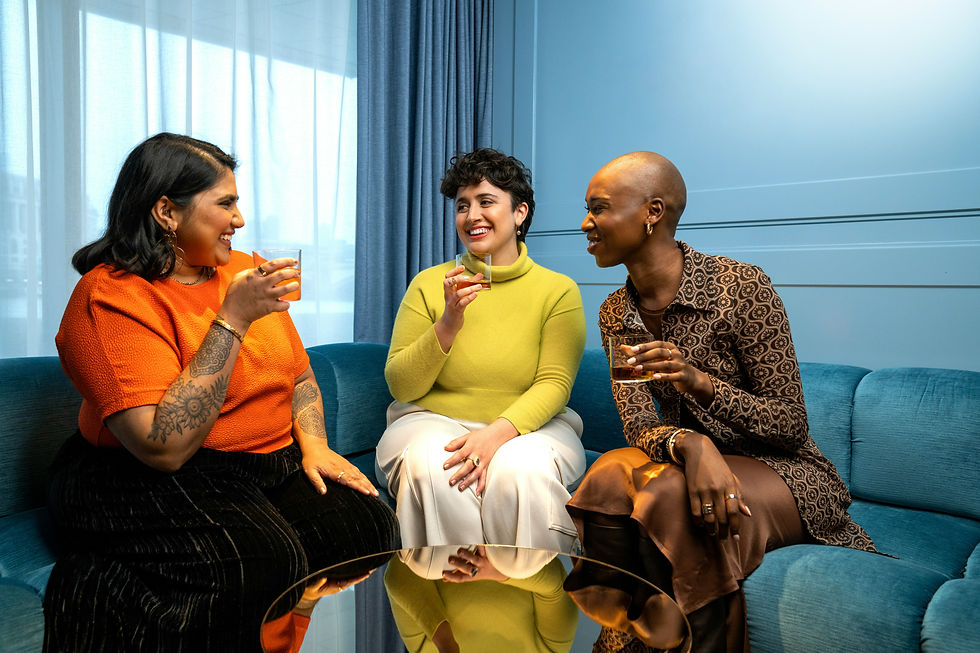
Why Inclusion Must Be More Than Words
Inclusion is not a checkbox or a sentence in a policy document. It is a daily practice, a commitment to making everyone feel valued and safe.
For example, in some workplaces, women still hesitate to speak up because they fear being the only voice representing their entire identity. In other places, queer women from diaspora backgrounds face additional barriers because their experiences are misunderstood or ignored.
To build truly inclusive communities, leaders must:
Create spaces where diverse voices are not just heard but amplified
Recognise the unique challenges faced by different groups
Commit to ongoing learning and unlearning
Support those who carry invisible burdens
Inclusion requires action, not just words.
The Role of Ancestors in Shaping the Future of an Inclusive Community
Thinking about ancestors often brings to mind those who made big historical changes. But ancestors also include those who built the small, sturdy bridges that others could cross later. They are the ones who started the book club, who made room at the table, who told stories that made others feel less alone.
I want to be that kind of ancestor. I want to build something, even if it feels small, so that the people who come after me don’t have to start from scratch. This means:
Investing time in community building
Supporting others to find their voice
Standing up for those whose identities are criminalised or marginalised
Creating safe spaces where people can be themselves
This work is not always visible or celebrated, but it is essential.
Why We Still Need These Conversations
Every June, Pride and other awareness months bring these conversations to the forefront. Some ask why we keep revisiting the same topics year after year. The answer is simple: many people are hearing these stories for the first time. Others need to hear them again to feel supported and understood.
Change is happening, but it is uneven and slow. For example:
Women still struggle to find therapists who understand their unique experiences without needing to educate them first.
Women of colour and queer women often carry the emotional labour of educating others about their identities.
In some countries, simply existing as a queer woman is dangerous.
These realities remind us that community building is ongoing. It requires patience, persistence, and compassion.
How You Can Start Building Your Legacy Today
You don’t need to change the world all at once. Start with what you can do today:
Invite one more person into your circle
Listen deeply to someone’s story
Share your own story to help others feel less alone
Support organisations that create safe spaces for marginalised groups
Challenge policies or practices that exclude or silence people
Every small step adds up. Your actions today become the foundation for future generations.
Building inclusive communities is about more than big gestures. It is about the everyday choices we make to include, listen, and support. The ancestor you become is shaped by these choices. Will you be the one who started the book club? The one who made room at the table? The one who told stories that made others feel less alone? The one who built something so that those who come after don’t have to start from nothing?
SHÉLA Global is building space for women who love women, with a particular commitment to diaspora experiences and women who have migrated from countries where their identity is criminalised. We are currently building our community, our team, and our programmes. If this resonates with you, we would love to hear from you.
By Dani and Olu


Comments