.png)
When Love Hurts: Understanding Abuse in Lesbian Relationships

Abuse can happen in any relationship. That includes relationships between women.
For many lesbian women, finding love and building a relationship can be a deeply affirming experience. But when that relationship becomes a place of fear, control or harm, recognising what is happening can be difficult. Sometimes, the person hurting you is also the person you love.
Abuse in Lesbian Relationships is not always visible
When people hear the words domestic abuse, they may imagine physical violence. But abuse can take many forms, and not all of them leave a bruise.
It can include:
Emotional abuse: Constantly belittling you, making you feel worthless or blaming you for their behaviour.
Controlling behaviour: Deciding who you can see, where you can go, what you can wear or how you spend your money.
Isolation: Gradually cutting you off from friends, family or community until you feel you have nowhere else to turn.
Financial abuse: Controlling your access to money, preventing you from working or using finances to make you dependent.
Threats and intimidation: Making you feel afraid of what might happen if you disagree, leave or speak up.
Physical abuse: Hitting, pushing, restraining or otherwise hurting you.
Sexual abuse: Pressuring, manipulating or forcing you into sexual activity when you do not want it.
None of these behaviours becomes acceptable because the person doing them is your girlfriend or wife.
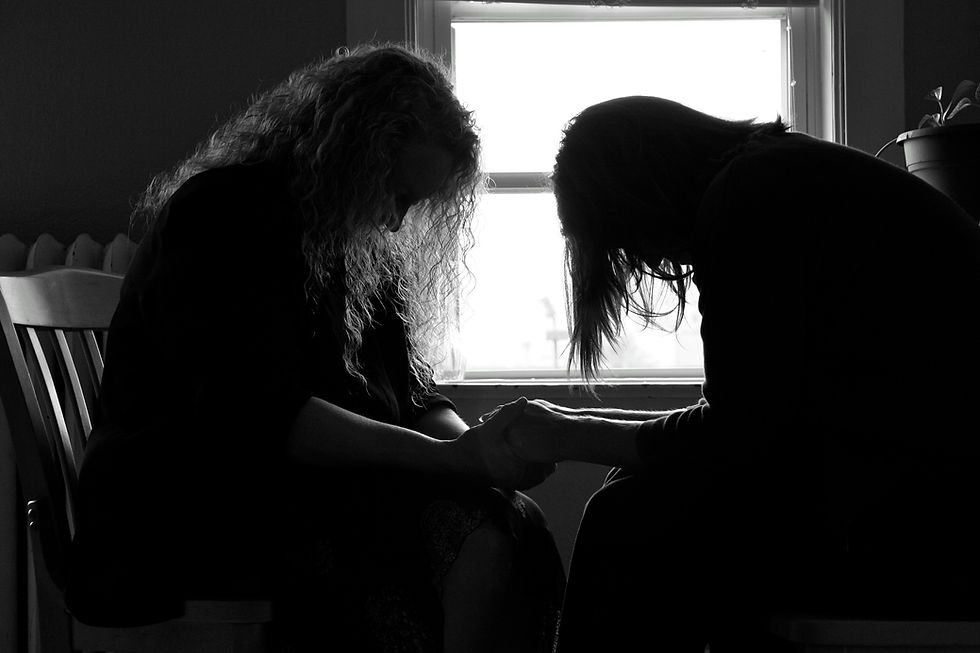
“But we’re both women…”
This is one of the assumptions that can make abuse in lesbian relationships harder to recognise. There is a persistent idea that women cannot be abusive towards other women, or that abuse only counts when there is a significant physical difference between partners.
Abuse is not defined by gender. It is about power, control, coercion and harm.
A woman can abuse another woman. A relationship can look loving to everyone outside it and still be unsafe for the person experiencing it.
Sexual abuse can happen in loving relationships
One of the most difficult things to understand is that being in a relationship does not mean you owe your partner sex. You can love someone and still not want sexual activity. You can consent to something one day and change your mind the next. You can say yes to one thing and no to another.
Consent must be freely given, and it can be withdrawn at any time.
Sexual abuse may involve:
Pressuring you after you have said no.
Making you feel guilty for not wanting sex.
Saying you do not love them because you are not interested.
Ignoring your boundaries or continuing after you have asked them to stop.
Using threats, manipulation or fear to obtain sexual activity.
Sharing intimate images or information without your consent.
Making you feel that being their partner means you have a responsibility to satisfy them.
Your body is yours. Your boundaries are yours. Your relationship status does not change that.
Why can it be so difficult to leave?
Leaving an abusive relationship is not always as simple as “just walk away.”
There may be love, shared finances, housing, pets, friendships, family connections or a fear of being alone. Some people may also worry that they will not be believed, especially when their relationship does not fit the stereotypes people have about domestic abuse.
For lesbian women, there can be additional barriers. You may fear being outed, losing your community, being judged by people who do not understand your relationship, or being told that abuse between women is not serious. These fears are real. They deserve to be taken seriously.
If you are experiencing abuse, it is not your fault. You do not have to prove that your experience is “bad enough” to deserve support.
What can support look like?
Support can begin with something as simple as being believed. If someone tells you they are experiencing abuse, try to listen without judgement. Avoid asking why they stayed or telling them what they must do. Instead, ask what they need and how you can support them safely.
If you are experiencing abuse yourself, you do not have to figure everything out at once. You can speak to someone you trust, seek specialist support or begin exploring your options when it feels safe to do so.
And if you are not ready to leave, that does not mean you are failing.
We deserve relationships where love feels safe
Lesbian relationships deserve to be represented in all their complexity. That includes the joy, the intimacy, the chosen family, the challenges and the difficult conversations we sometimes avoid. We are making space for women to recognise harm, seek support and know that they deserve better. Love should not require you to abandon your boundaries, your freedom or your sense of safety.
This article is for awareness and does not replace professional support. If you are in immediate danger, contact emergency services or a specialist domestic abuse service.


Comments